Hyacinths, with their rich fragrances and full blooms, are one of the most beloved spring bloomers in gardens all over the world. These beautiful flowers are known for their impressive color palette and the intoxicating scents they spread. In this blog, we dive deep into everything you need to know about hyacinth bulbs, from the correct planting method to effective care tips. Discover our wide range of hyacinth bulbs on our hyacinth bulb sales page.
Table of contents
What are hyacinth bulbs?
Hyacinth bulbs form the basis for the beautiful and fragrant hyacinth plant that enriches gardens with its blooms every spring. These bulbs act as energy reservoirs during the winter, allowing the plant to bloom profusely in early spring. Hyacinths belong to the Asparagaceae family and are native to the Eastern Mediterranean, including countries such as Turkey and Syria. They are particularly loved for their compact and dense flower spikes that come in a variety of colors including shades of blue, pink, purple, white and yellow. In addition to their visual appeal, hyacinths are also known for their strong and pleasant scent, which provides a scent sensation in gardens and parks early in the season.
The history of hyacinth bulbs
The fascination with hyacinths dates back thousands of years and their story is rich in cultural significance. Historical sources suggest that hyacinths have been cultivated since ancient times, with particular appreciation in Greek and Roman cultures. The name 'hyacinth' itself is derived from Greek mythology; it is linked to the tragic legend of Hyacinthus, a young beautiful prince whom the god Apollo loved. According to the myth, Hyacinthus was accidentally killed, and from his blood was born a flower that Apollo called 'hyacinth' as a reminder of his sorrow.
In the 16th century, hyacinths were introduced to Europe through traders and botanists who brought them from Turkey and Syria. Their popularity grew rapidly among European nobility and flower lovers, especially in the Netherlands, where they became an important part of the floriculture and trade. In the 17th and 18th centuries, the hyacinth was a status symbol among the elite, and enormous sums were paid for rare specimens, comparable to the tulip mania.
Over the centuries, breeders have worked to develop new varieties, which has led to the diverse colors and shapes we know today. These efforts have transformed the hyacinth into one of the most beloved spring flowers, prized for both its beauty and its perfume. Today, hyacinth bulbs are grown all over the world and remain a popular choice for garden enthusiasts and florists alike, marking the start of spring with their vibrant blooms and enchanting aromas.

Types of hyacinth bulbs
Hyacinth bulbs are an enchanting aspect of the early spring garden, known for their exuberant blooms and intoxicating scents. These bulbs come in different types, each with unique properties that make them suitable for various garden settings and flower arrangements. Here is an overview of some of the most popular categories of hyacinth bulbs:
Some hyacinths
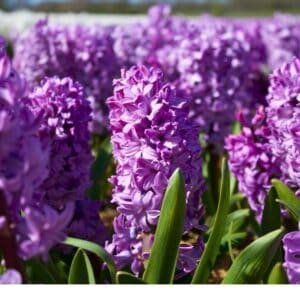
These are best known and loved for their classic shape and strong scents. They produce a single row of dense flowers along the stem and are available in a spectrum of colors, from deep blue and vibrant pink to soft lilac and radiant white. They bloom in early spring and are ideal for borders, pots, and as cut flowers.
Double hyacinths
This variety resembles small peonies and is known for their richly double-petaled flowers. Double hyacinths come in similar colors to the single hyacinths and offer a lush, textural appearance that makes them very popular for both garden displays and indoor flower arrangements.
Multiflora hyacinths
Also known as 'multi-flowered' hyacinths, this species produces multiple flower stems per bulb, making for a fuller and richer flower display. They are perfect for a dramatic presentation in the garden and can help create an intense color palette.
Roman hyacinths
Less common than the above species, these hyacinths are smaller and produce delicate, drooping flowers along slender stems. They are often found in white and soft pink and have a more subtle scent, making them an excellent choice for more subdued garden designs or for use in scented gardens.
Hyacinth bulbs are grown for their spectacular blooms and aroma in early spring. Their ability to add intense color and fragrance to gardens shortly after the winter months makes them a favorite among garden enthusiasts. Each of these varieties can contribute to a diverse and visually appealing garden landscape, while also providing beautiful cut flowers for indoors.
Buy hyacinth bulbs
When purchasing hyacinth bulbs it is important to consider a number of essential aspects to ensure that you select high-quality bulbs that will provide beautiful blooms in the spring. Here are some tips for choosing the best hyacinth bulbs:
Quality of the bulbs
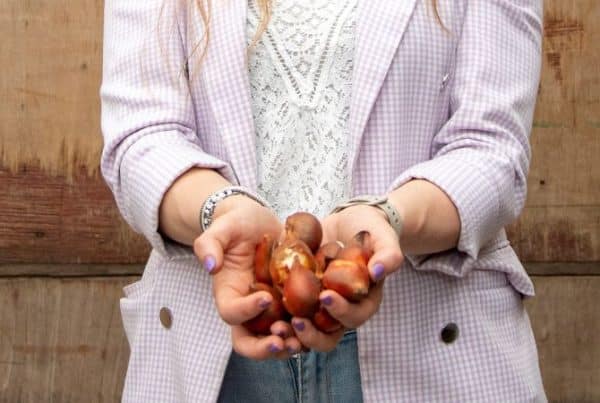
Make sure the bulbs feel firm and dry. Avoid bulbs that are soft or moldy as this may indicate health problems or poor storage condition.
Size of the bulbs
Larger bulbs have more nutrients stored and will usually lead to more vigorous flowering. They have the energy to produce more and larger flowers, which will provide a more spectacular display in your garden.
Appearance of the bulbs
Look at the outside of the bulbs; they must have intact skin without cuts or cracks. Damaged bulbs can develop problems during the growing season.
Reliability of the supplier
Always buy from a trusted and respected seller. Good suppliers ensure proper storage and handling of their bulbs, which improves growth opportunities.
When purchasing hyacinth bulbs, it is also useful to check whether the supplier can offer information and advice on the care and planting of the bulbs. This can be particularly valuable for both novice and experienced gardeners. For an extensive range and more information about the different types of hyacinth bulbs, visit our hyacinth bulb sales page. Here you will find a wide selection of high-quality bulbs that will transform your garden with their vibrant colors and enchanting fragrances this coming spring.

Planting hyacinths
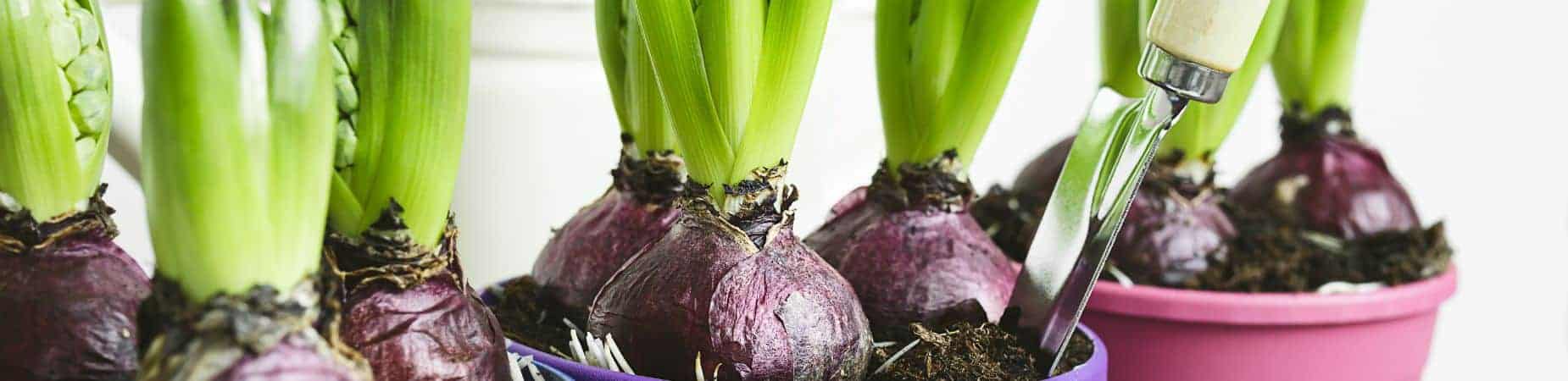
Planting hyacinth bulbs offers a great opportunity to add some color to your garden early in the year. Ideally, hyacinth bulbs are planted in the autumn, just before the ground freezes. This timing ensures that the bulbs have sufficient time to root and prepare for spring flowering. When planting, choose a location in your garden that receives full sun to partial shade and where the soil is well-draining to guarantee the best growing conditions. The bulbs should be planted approximately 10-15 cm deep, with a distance of about 10 cm between each bulb, to provide enough room for the bulbs to grow and bloom profusely. Visit our hyacinth planting page for more detailed instructions on planting hyacinths.
Caring for hyacinths
Once hyacinth bulbs are planted, they require relatively little maintenance, but a little extra care can go a long way in maximizing their bloom and longevity. Hyacinths need regular watering during their growing season. It is important to maintain a good water balance, because although they need moisture, overwatering can lead to problems such as bulb rot. In early spring, adding a slow-release bulb fertilizer is recommended to encourage flowering. After flowering, it is crucial to allow the foliage to die back naturally and not remove it; this process helps the bulb recover and store energy for the following year's blooming period. For additional care tips and advice on keeping your hyacinths healthy and blooming, you can consult our hyacinth care page.
Hyacinth bulbs offer a beautiful way to welcome spring. With their vibrant colors and wonderful scents, they are a must-have for any spring garden. Visit our hyacinth bulb sales page for a wide variety of hyacinth bulbs and start planning your spring display today!
Ready to see how Snowflake works?
Hyacinth bulbs are a fantastic choice for anyone looking to add some color and fragrance to their garden in early spring. These versatile and beautiful flowers come in a wide range of colors and shapes, making them perfect for a variety of garden designs. From the classic single hyacinths to the luxurious double varieties and the impressive multiflora hyacinths, there is something for everyone. Over the centuries, hyacinth bulbs have become beloved for their ability to make a dramatic impact with minimal care. Their rich history and cultural significance, combined with their practical benefits, make them a valuable addition to any garden.
When buying hyacinth bulbs, it is important to pay attention to the quality, size, and origin of the bulbs to ensure you get healthy and vigorous plants. A reliable supplier offers not only high-quality bulbs but also useful information and advice for planting and caring for your hyacinths. For an extensive range and more information, visit our hyacinth bulb sales page.
Planting hyacinth bulbs is simple and offers a rewarding way to bring your garden to life early in the year. Plant the bulbs in the autumn in a sunny to semi-shady spot with well-draining soil, and ensure they have enough room to grow. Visit our hyacinth planting page for more detailed instructions.
After planting, hyacinth bulbs require relatively little maintenance, but some extra care can significantly improve their flowering and longevity. Watering regularly without overdoing it, and adding fertilizer in early spring, will help produce the most beautiful flowers. Allow the foliage to die back naturally after flowering to prepare the bulbs for the next growing season. Consult our hyacinth care page for more care tips.
Hyacinth bulbs not only provide a beautiful visual and fragrant addition to your garden, but they are also a nod to the rich history and tradition of flower farming. With their versatility and beauty, hyacinths are an excellent choice for both novice and experienced gardeners. Bring your garden to life this spring with the enchanting colors and scents of hyacinths.